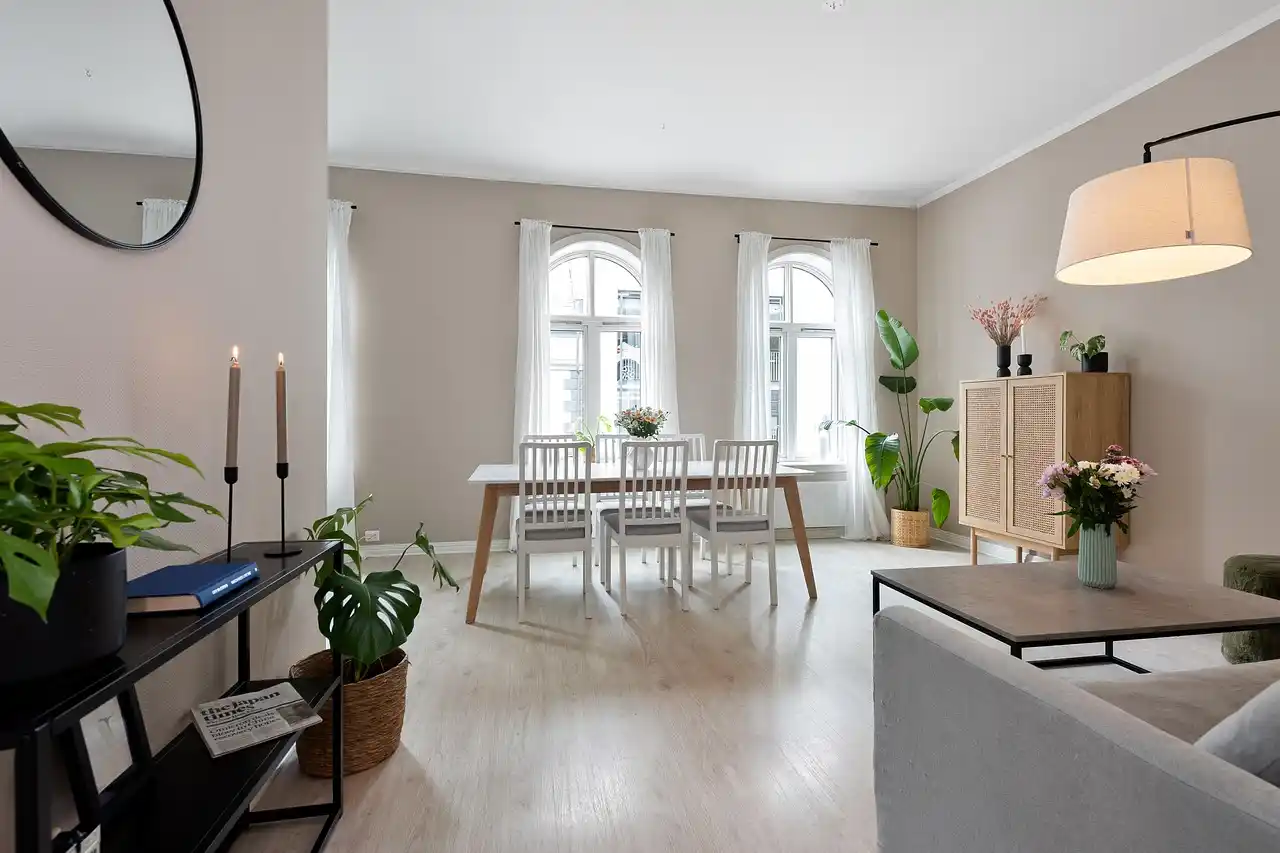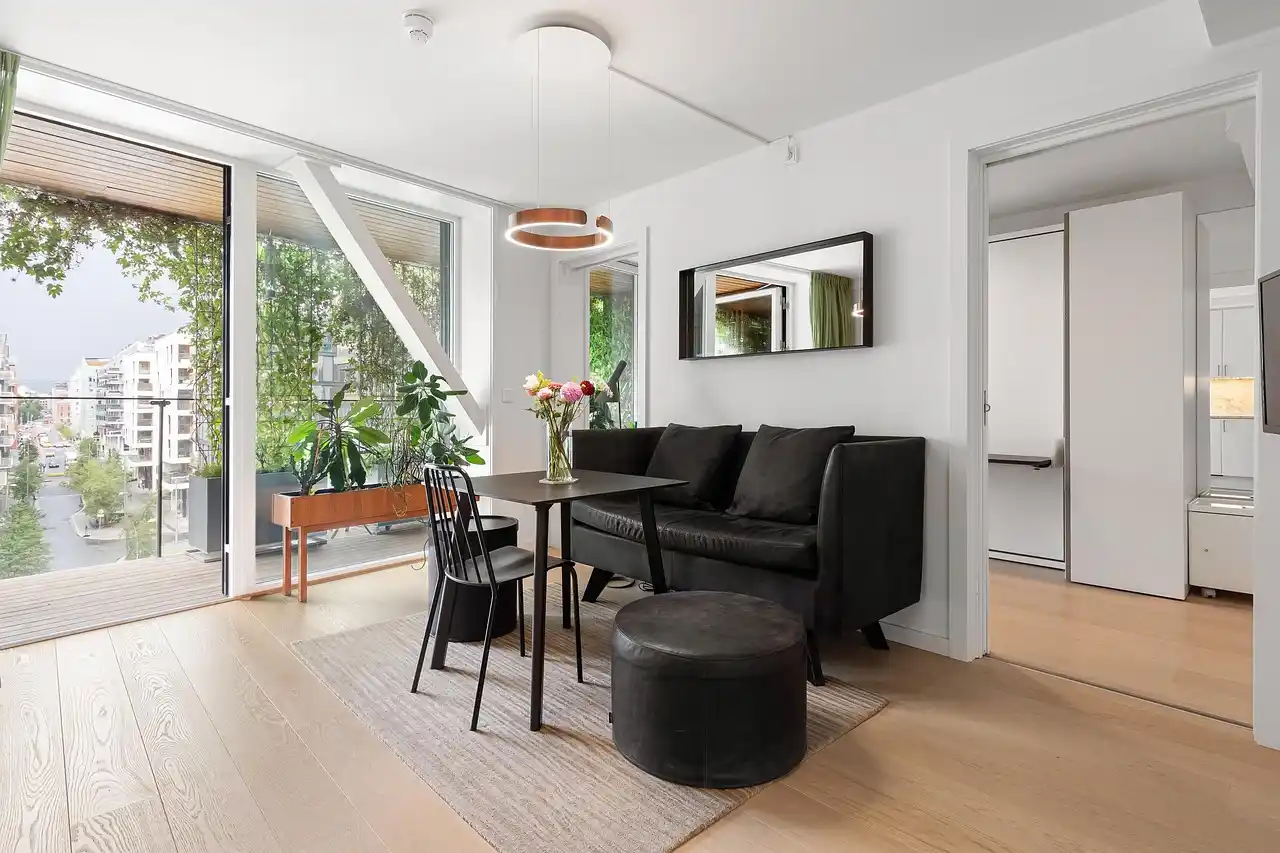
When homeowners search for home window tinting near me, they want trusted local professionals, transparent pricing, and durable results. This guide explains how to find reputable providers, what tint options best fit your home, and how to get measurable energy savings while staying compliant with local rules. By highlighting expertise, credible references, and practical steps, you’ll feel confident choosing a nearby installer.
Why people look for home window tinting near me
Local searches reflect a need for quick access to skilled installers, on-site assessments, and warranties that cover the specific glass in your house. A nearby tinting contractor reduces travel time, enables faster scheduling, and makes it easier to verify workmanship through nearby references. For EEAT, look for licensed, insured professionals with verifiable projects in your area and clear photo portfolios or case studies.
Benefits of residential window tinting
- Energy savings through reduced heat gain in summer and retained warmth in winter
- UV protection that shields furnishings, floors and artwork from fading
- Glare reduction for comfortable living spaces and electronics use
- Enhanced privacy without sacrificing exterior view in daytime hours
- Improved comfort and potential increases in home value
How to choose a window tinting service near you
Start with a short list of local providers and narrow it down using these checks. Confirm licensing and insurance, ask for warranties and certifications, review before-and-after photos, and read independent customer reviews. Request an on-site assessment and a written estimate that outlines glass type, film thickness, shade level, and expected installation time. A reputable installer will also explain how tinting affects your energy bills and whether any permits or codes apply in your city.
What to ask during a consultation
- Can you show a portfolio of residential projects in my area?
- Do you offer a written warranty on film and installation?
- What tint types do you recommend for my climate and home orientation?
- Will there be a post-installation inspection and curing guidance?
- Is the work performed by licensed technicians, and do you handle debris removal?
What to expect during installation
A typical residential tinting job begins with surface cleaning and glass preparation, followed by careful film application and squeegee removal to avoid bubbles. Some homes require old film removal first. The process is often completed in a day for standard windows, with curing time before you can comfortably reoccupy treated areas. Trustworthy installers will protect furnishings, seal insides to prevent dust, and provide aftercare instructions to preserve film adhesion and clarity.
Types of window tinting and how they compare
Understanding tint types helps you balance heat control, UV protection, privacy, and cost. The table below compares common residential options.
| Tint Type | Heat Reduction | UV Protection | Privacy | Durability | Typical Cost |
|---|---|---|---|---|---|
| Dyed | Moderate | Good | Low to Moderate | Moderate | Low |
| Metalized | High | Good | Moderate | High | Moderate |
| Ceramic | Excellent | Excellent | Moderate | High | High |
Costs and value — what to expect
Costs vary by square footage, window type, tint category, and the number of panes. Residential tinting generally ranges from moderate to high investment depending on the film you choose and the complexity of installation. A good rule of thumb is to compare quotes that include material grade, warranty length, and the estimated energy savings. While ceramic films have higher upfront costs, they typically deliver the strongest long‑term performance and durability, which many homeowners consider a cost‑effective ROI over time.
Maintenance, safety, and local regulations
Clean tint surfaces with a soft cloth and a mild, non-ammonia cleaner to avoid film damage. Avoid abrasive scrubbing. For safety and compliance, check local tinting laws, especially for front-facing windows and large panes. Reputable local installers will discuss shade limits, visibility requirements, and any permits needed for your area. Documented warranties and post-installation checks are essential EEAT signals that demonstrate trust and accountability.
Summary: For the best results, start with a short list of licensed, insured local installers, review their portfolios and warranties, and request detailed quotes. Compare heat and UV protection, privacy, durability, and costs across different tint types. A well-chosen film combined with professional installation will improve comfort, protect interiors, and contribute to energy savings over time. Conclusion, work with a nearby, reputable contractor to ensure accurate measurements, proper tint selection for your climate, and a clear maintenance plan that maximizes the value of your investment.