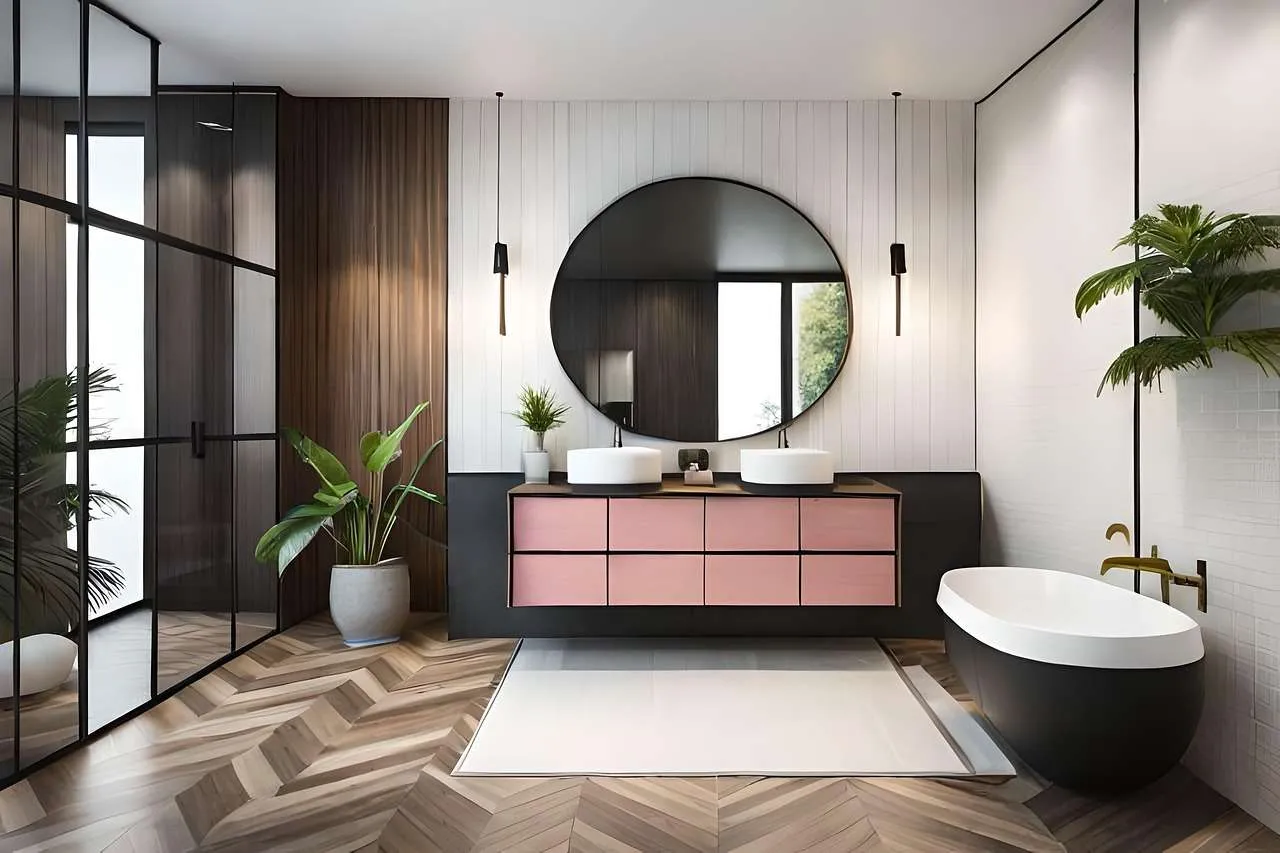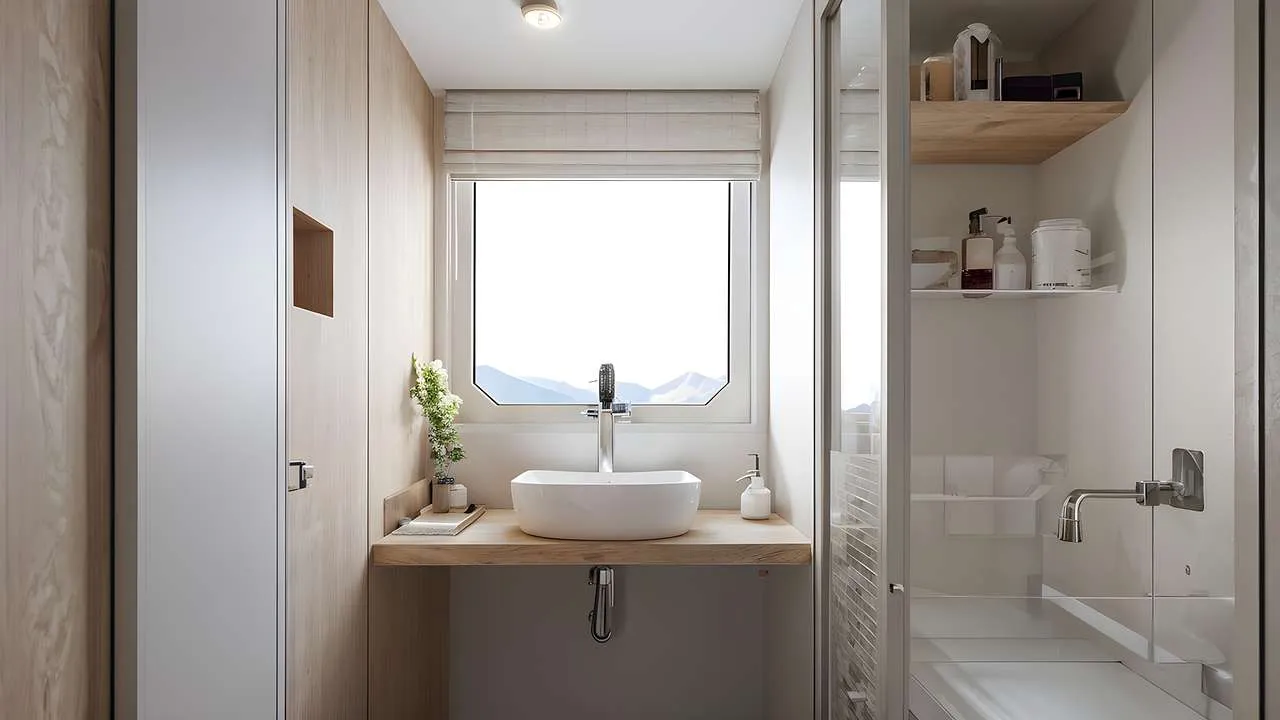
Designing a small bathroom requires smart thinking and high-quality decisions. With limited square footage, every inch counts, but you can achieve a stylish, functional space by prioritizing scale, storage, lighting, and materials. Below is a practical guide to transform tight bathrooms into comfortable retreats without sacrificing usability.
Maximize Space with Proportion and Layout
Start with a concise layout that keeps traffic flow clear and doors opening without obstruction. Opt for a pocket or barn-style door to free floor space, and choose a shower with a frameless glass enclosure to visually expand the room. When possible, install a wall-hung vanity or pedestal sink to reveal more floor area and create the illusion of space.
Key Layout Strategies
- Use a linear shower or wet zone along the long wall to streamline traffic patterns.
- Place the toilet and vanity on opposite walls to create a balanced rhythm and clear sightlines.
- Choose a compact or corner sink to free wall space for storage or a mirror with built-in lighting.
Fixtures and Smart Storage
Small bathrooms win with wall-mounted fixtures and built-in storage. Consider a vanity with drawers rather than a pedestal to hide toiletries, and use recessed niches in the shower for shampoo and soap. Vertical storage, such as tall, slim cabinets or open shelving above the toilet, keeps essentials reachable without crowding the floor.
Lighting, Color, and Surfaces
Layered lighting makes a compact space feel larger. Combine ambient ceiling lighting with task lighting around the mirror and soft accent lighting in niches. Light, reflective surfaces—large-format porcelain, glass, and glossy tiles—bounce light and minimize visual clutter. A pale palette with cool neutrals or off-white walls and matching trims creates cohesion and a sense of airiness.
Materials, Budget, and Durability
Choose durable, easy-to-clean materials. Quartz or compact engineered stone countertops, porcelain tiles, and moisture-resistant drywall help reduce maintenance. If budget is tight, prioritize a high-impact focal point (such as a glass shower) while keeping other elements simple and cohesive.
Practical Layout Options
Three common layouts work for many small bathrooms, each balancing function and style. The best choice depends on water supply location, door swing, and the room’s dimensions.
| Layout Idea | Pros | Cons | Best For |
|---|---|---|---|
| Compact vanity + corner shower | Maximizes floor space; open sightlines; affordable fixtures | Limited storage; shower may feel tight | Smaller footprints, single-person use |
| Full-width vanity with slim trough sink | Enhanced counter space; streamlined look | Requires more width; not ideal for very tight rooms | Shared bathrooms or daily grooming area |
| Glass shower with linear drain | Feels larger; reduced grout lines; easy maintenance | Higher upfront cost; needs level floor | Desired openness and easy cleaning |
| Wall-hung toilet with recessed niches | Clean lines; easier cleaning; extra storage | Professional rough-in and installation complexity | Modern, minimalist spaces |
Finishing Touches and How to Avoid Clutter
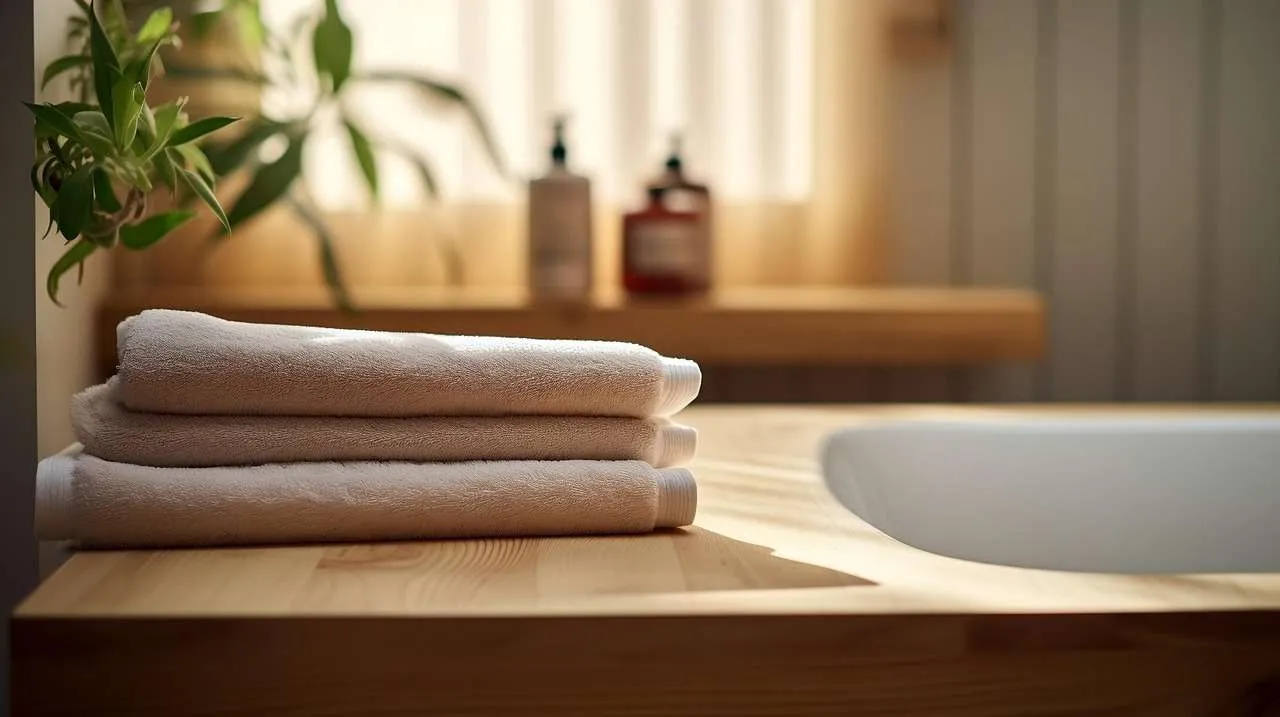
Keep hardware simple and cohesive—choose a single metal finish for faucets, towel bars, and pulls. Use mirrors strategically to reflect light and expand space; a mirrored medicine cabinet adds storage without taking up wall area. Clear containers and labeled bins help maintain order, while decorative towels and plants add warmth without clutter.
For rental properties or short-term projects, focus on temporary but impactful updates: peel-and-stick backsplash, repositionable shelving, and hardware upgrades that don’t require plumbing work.
Conclusion
Summary: In short, small bathroom ideas rely on smart storage, compact fixtures, and layered lighting to maximize space, functionality, and style. Prioritize layout, durable materials, and a cohesive design to create a bathroom that feels larger than its footprint.